
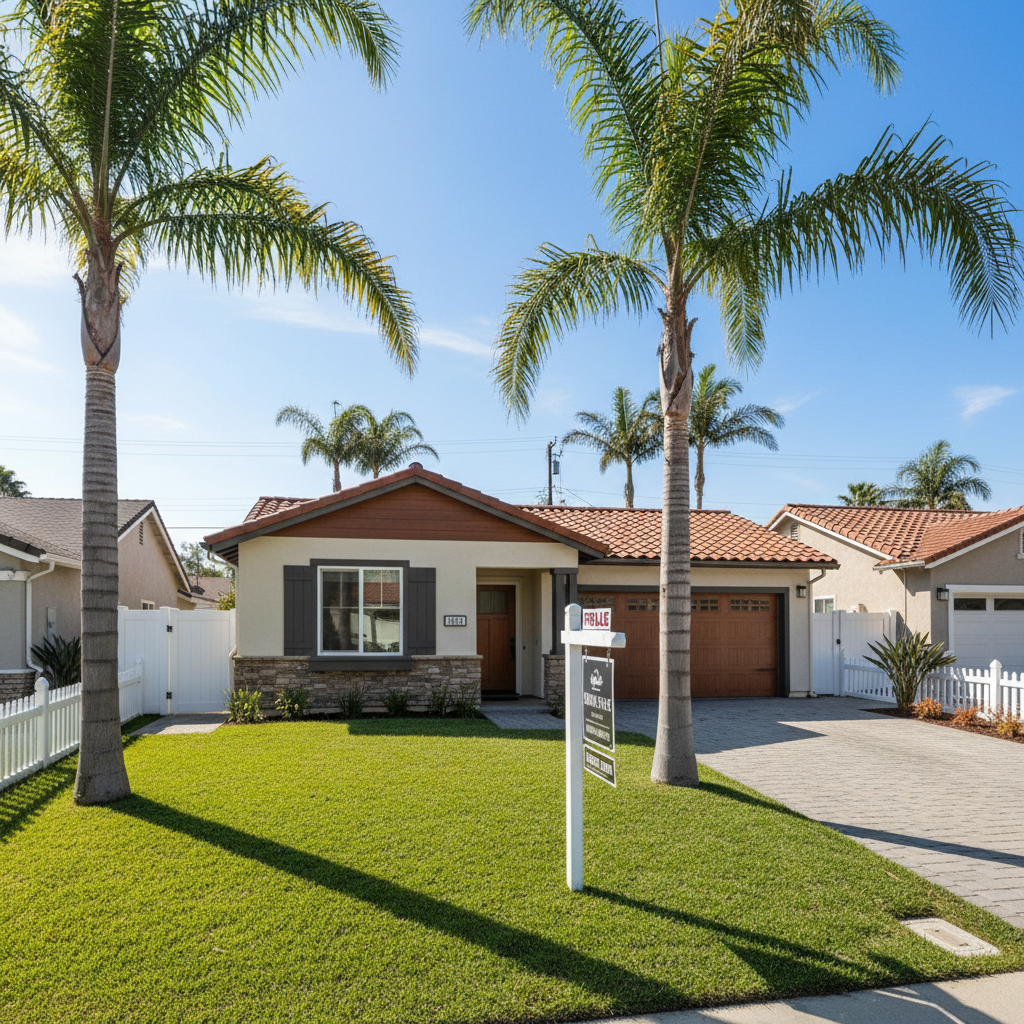
Selling a home with a tenant in place is one of the more complex transactions a seller can navigate in California. The rules around tenant notice, access for showings, and disclosure obligations are specific — and getting them wrong can delay your sale, expose you to legal liability, or both. If you own a rental property in Orange County and are considering selling, understanding the process before you list is essential.
California tenant notice requirements for showings
California Civil Code requires landlords to provide at least 24 hours’ written notice before entering a rental unit for most purposes, including showing the property to prospective buyers. The notice must state the date, approximate time, and purpose of entry. Entry must occur during normal business hours unless the tenant agrees otherwise.
This requirement applies even when the property is listed for sale. You cannot schedule open houses or agent showings without providing proper notice to the tenant each time. Some sellers and tenants negotiate a showing schedule in advance — for example, agreeing that the property may be shown on certain days during certain hours with a single advance notice — but any such arrangement should be documented in writing.
Violating the notice requirement can give the tenant grounds to claim harassment or wrongful entry, which can complicate your sale and create legal exposure. Sellers should consult with a licensed California real estate attorney if they have questions about their specific obligations.
Lease terms and your right to sell
Your right to sell a tenant-occupied property is not affected by the tenancy — you may sell at any time. However, the type of tenancy affects what happens to the tenant and when.
Month-to-month tenancy. If your tenant is on a month-to-month agreement, California law generally allows you to terminate the tenancy with proper notice — typically 30 days if the tenant has lived there less than one year, or 60 days if they have lived there one year or more. However, if the property is subject to AB 1482 (the Tenant Protection Act of 2019) or local just-cause eviction protections — which apply in some Orange County cities — additional requirements and restrictions may apply. You should confirm the applicable rules for your specific property and city before issuing any notice.
Fixed-term lease. If your tenant has a fixed-term lease, you generally cannot require them to vacate before the lease expires simply because you are selling. The new buyer typically takes title subject to the existing lease and becomes the new landlord. This limits your buyer pool to investors or buyers willing to wait for the lease to expire.
Cash for keys. Some sellers negotiate a voluntary early termination with the tenant in exchange for a payment — commonly called cash for keys. This is a private agreement between landlord and tenant and, if done correctly, can allow you to sell a vacant property. The terms, timing, and documentation of any such agreement should be reviewed by a licensed California real estate attorney.
The interaction between state law, local ordinances, and your specific lease terms is complex. Sellers should not rely on general information alone — consult a licensed California real estate attorney before taking any action that affects your tenant’s occupancy.
Disclosure obligations when selling a rental
Selling a tenant-occupied property triggers the same disclosure obligations as any California home sale, plus some additional considerations.
Under applicable contract terms (C.A.R. RPA), sellers are required to complete a Transfer Disclosure Statement (TDS) and a Seller Property Questionnaire (SPQ). These documents ask about the condition of the property, any known defects, and the history of the property — including whether it has been used as a rental.
Additional disclosures specific to tenant-occupied properties may include:
- The existence and terms of any lease or rental agreement • Any pending or threatened legal action involving the tenant • Any known habitability issues or complaints made by the tenant • Any history of code violations or city inspections related to the rental • Whether the property is subject to local rent control or just-cause eviction protections
Buyers of tenant-occupied properties — particularly investors — will typically request copies of the lease, rent rolls, and any correspondence with the tenant. Providing complete and accurate documentation reduces the risk of disputes after closing.
Sellers with questions about their specific disclosure obligations should consult a licensed California real estate attorney.
Pricing strategy for a tenant-occupied property
A tenant-occupied property may sell at a different price point than a comparable vacant, owner-occupied home — but the direction and size of any difference depends on several factors.
Below-market rent. If your tenant is paying significantly below current market rent, the property may be less attractive to investors because the income does not reflect current market conditions. Buyers will factor in the time and cost of bringing rents to market — either through a lease renewal negotiation or by waiting for the tenancy to end.
At or above market rent. If your tenant is paying at or above market rent and has a stable payment history, the property may be attractive to investors at a price that reflects the income stream.
Condition and access. A tenant who is cooperative with showings and maintains the property well makes the sale easier. A tenant who is uncooperative, who has caused damage, or who is in arrears on rent creates complications that buyers will factor into their offers.
Buyer pool. A tenant-occupied property with a long-term lease effectively limits your buyer pool to investors. If your goal is to sell to an owner-occupant, you will need to either wait for the lease to expire or negotiate an early termination before listing.
Your listing agent should prepare a pricing analysis that accounts for the tenant situation, the lease terms, the current rent relative to market, and the likely buyer pool. Pricing a tenant-occupied property requires a different analysis than pricing a vacant home.
Working with an experienced listing agent
Selling a tenant-occupied property in Orange County requires an agent who understands both the legal framework and the market for investment properties. The showing logistics, disclosure requirements, lease review, and pricing analysis are all more complex than a standard owner-occupied sale.
At Fixed Rate Real Estate, we have experience guiding sellers through tenant-occupied transactions — from coordinating showings with proper notice to preparing accurate disclosures and pricing the property for the right buyer pool. Our 1% listing fee covers full-service listing representation. Real estate commissions and compensation are not fixed by law and are always a matter of negotiation between you and any agent you choose to work with.
If you own a rental property in Orange County and are considering selling, contact Fixed Rate Real Estate for a no-obligation consultation.

Broker/Owner, Fixed Rate Real Estate — CA DRE# 01265685
Stephanie has been helping Orange County homeowners sell smarter for over 34 years. Fixed Rate Real Estate offers full-service listing representation at a 1% fee — no compromises on service.