
You've done something most sellers spend weeks trying to accomplish: you already have a buyer. Maybe it's a neighbor who's been eyeing your home for years. A coworker who heard you were thinking about selling. A tenant who wants to stay. A family member who wants to keep the property in the family.
Whatever the situation, finding a buyer on your own is a real accomplishment — and it can simplify part of the process. But it doesn't simplify all of it.
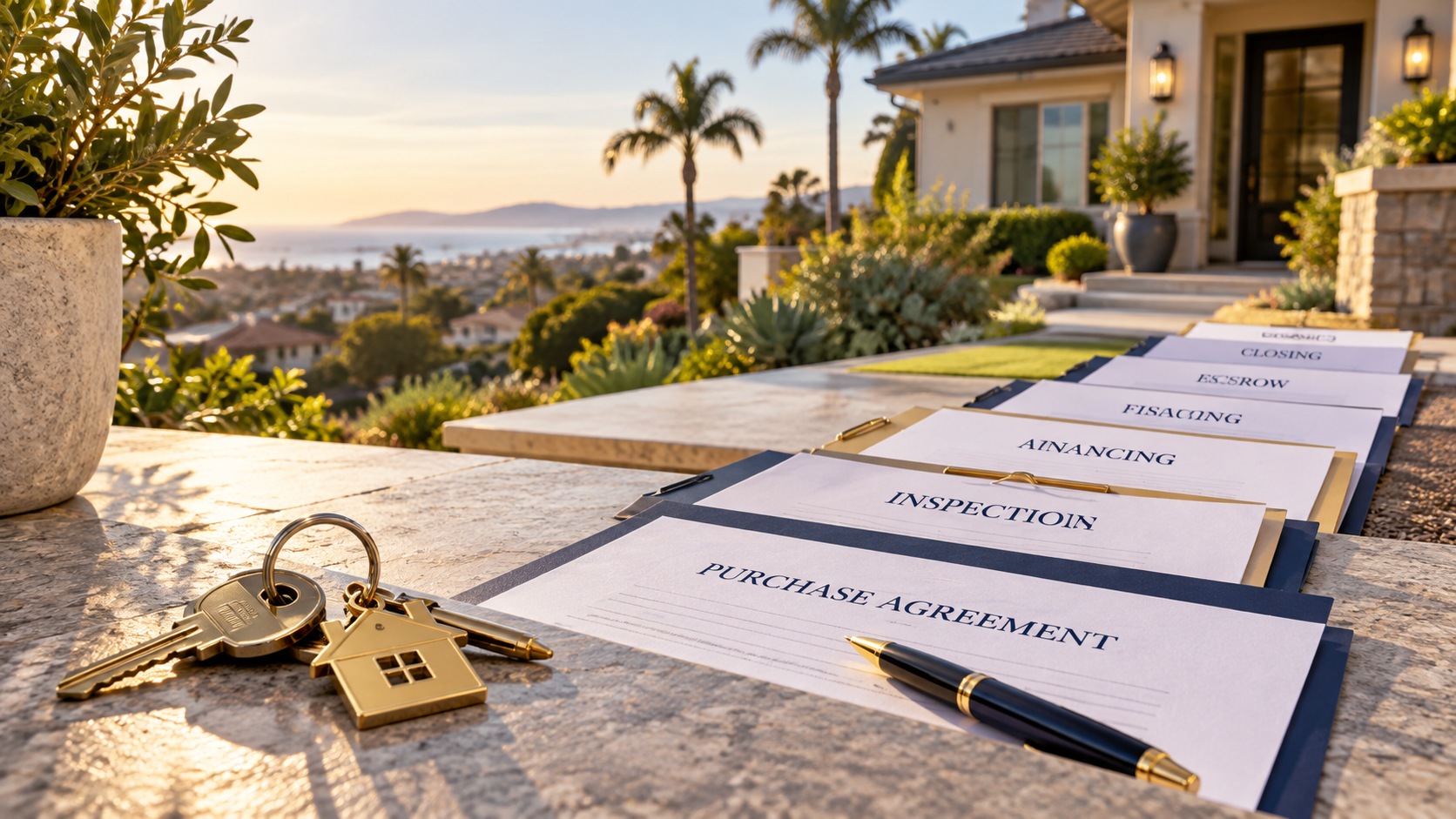
The agreement, disclosures, financing, appraisal, contingencies, escrow, title, HOA documents, and closing still need appropriate attention. Sellers who skip or rush these steps — even in a friendly, private transaction — can face delays, disputes, or unexpected costs at closing.
This article is for sellers who already have a buyer and want to understand what comes next. If you're still looking for a buyer and want full market exposure, professional marketing, MLS distribution, and comprehensive representation, that's a different conversation — one we're happy to have separately.
Finding a Buyer Is the Beginning, Not the End
In a traditional sale, finding a buyer is the milestone everyone is working toward. In a private sale, it's the starting point. Everything that follows — the written agreement, the disclosures, the financing process, the inspections, the escrow — still needs to happen, and it still needs to be done correctly.
The good news: you may have more flexibility in how you structure the transaction. The risk: that flexibility can lead sellers to move too quickly, skip important steps, or assume that a handshake agreement is enough.
It isn't.
Getting the Agreement in Writing
Under California's statute of frauds, agreements for the sale of real property generally must be in writing and signed by the party to be charged in order to be enforceable. In a typical California residential sale, that means documenting the agreement in a written purchase agreement signed by the parties. For questions about whether specific contract language creates legal obligations or about enforceability in your particular situation, consulting a California real estate attorney is appropriate.
A well-drafted purchase agreement addresses, at minimum:
- Purchase price — the agreed amount and how it will be paid • Earnest money deposit — the amount, who holds it, and the conditions under which it is refundable or non-refundable • Financing terms — whether the buyer is obtaining a loan, the loan amount and type, and whether the sale is contingent on the buyer securing financing • Contingencies — the conditions under which either party may cancel without penalty, including inspection, financing, and appraisal contingencies • Closing date — the target date for completing the transaction • Personal property — what stays with the home and what the seller takes • Credits and concessions — any agreed repairs, closing-cost credits, or price adjustments • Possession — when the buyer takes possession relative to closing
California residential purchase agreements can be detailed documents. Brokers licensed in California can prepare and present offers and counteroffers as part of their licensed real-estate activities. For questions about whether specific contract language creates legal obligations beyond the broker's scope, an attorney may be appropriate.
California Seller Disclosures
California imposes significant disclosure obligations on residential sellers. Even in a private sale — even when you know the buyer personally — most of these obligations still apply.
The Transfer Disclosure Statement (TDS), required under California Civil Code §1102 for most residential 1–4 unit sales, asks sellers to disclose known material facts about the property's condition. The Natural Hazard Disclosure (NHD) addresses flood zones, fire hazard severity zones, earthquake fault zones, and similar matters. Additional disclosures may apply depending on the property's age, location, financing type, and other factors.
Disclosure obligations exist to protect buyers — and they also protect sellers. A seller who fails to disclose a known material defect can face legal exposure after closing, even in a transaction between friends or family members.
This article is not legal advice, and the full list of applicable disclosures varies by transaction. A real-estate broker can help organize and present required disclosures. For questions about whether a specific condition requires disclosure or creates legal liability, consulting a real-estate attorney is appropriate.
Buyer Financing: Preapproval Is Not a Guarantee
If your buyer is financing the purchase, their preapproval letter is an important signal — but it is not a final loan commitment. The lender is responsible for qualifying the buyer, and that process continues after the purchase agreement is signed.
Underwriting, appraisal, property condition, title review, insurance requirements, and documentation can all affect whether the loan closes on schedule — or at all. A buyer who was preapproved for a certain amount may face adjustments if the appraisal comes in below the purchase price, if the property has condition issues the lender requires to be addressed, or if the buyer's financial situation changes between preapproval and closing.
This is true in any transaction, but it can catch sellers off guard in a private sale where the relationship with the buyer creates an assumption that the financing is settled. It isn't settled until the lender funds the loan.
If your buyer is paying cash, the process is different — but verification of funds and a clear timeline are still important.
For more on how the mortgage process works from a seller's perspective, see our article on the [mortgage experience for home sellers](/blog/mortgage-experience-home-sellers-orange-county).
The Appraisal and the Inspection Are Not the Same Thing
These two steps serve different purposes, and confusing them is one of the more common misunderstandings in a private transaction.
A home inspection is typically ordered by the buyer and evaluates the physical condition of the property — roof, foundation, plumbing, electrical, HVAC, and other systems. The inspector's report gives the buyer information about the property's condition. Depending on what the inspection reveals, the buyer may request repairs, a price reduction, a credit, or — if the purchase agreement includes an inspection contingency — cancellation.
An appraisal is typically ordered by the buyer's lender and establishes the property's market value for lending purposes. If the appraised value comes in below the purchase price, the lender will generally not lend above the appraised value. This can require renegotiation of the price, a larger down payment from the buyer, or — if the purchase agreement includes an appraisal contingency — cancellation.
Neither an inspection nor an appraisal is automatically required in every transaction. Whether they apply depends on the purchase agreement, the buyer's financing, and the parties' decisions. But both are common, and both can affect the transaction after you've already agreed on a price.
Escrow and Title: Who Handles What
Escrow is the neutral third-party process that manages the exchange of money, documents, and title between buyer and seller. An escrow officer follows the written instructions of both parties, collects and disburses funds, coordinates with the lender, and ensures that all conditions of the transaction are met before closing.
Title insurance protects the buyer (and typically the lender) against defects in the chain of title — undisclosed liens, ownership disputes, recording errors, and similar issues that might not be apparent from a visual inspection of the property.
A real-estate broker does not replace escrow, title, legal, tax, or lending professionals. These are separate roles, and each serves a distinct function in the transaction.
If you've never opened escrow before, the process can feel unfamiliar. A broker can help you understand what to expect and coordinate with escrow and other transaction parties on your behalf.
For a detailed explanation of how escrow works, see our article on [what is escrow](/blog/what-is-escrow).
If the Property Has an HOA
Selling a home in a homeowners association — including a condominium — involves additional steps that can affect both the timeline and the buyer's ability to close.
California Civil Code §4525 requires sellers to provide buyers with specified HOA documents, including the CC&Rs, bylaws, rules and regulations, current budget, reserve study, and recent meeting minutes. Buyers have the opportunity to review applicable HOA documents, and the purchase agreement should account for the time needed to obtain and deliver them.
HOA-related issues that can affect a sale or a buyer's financing include:
- Special assessments — pending or recently levied assessments that the buyer may inherit or that affect the property's value • Master insurance coverage — whether the HOA's master policy covers the unit's interior, and what gap coverage the buyer may need • Project approval — for condominiums, whether the project meets the requirements of the buyer's lender or loan program
These issues don't disappear in a private sale. If anything, they're easier to address early — before the buyer's lender raises them during underwriting.
For more on HOA special assessments and what buyers should review, see our article on [HOA special assessments in Orange County](/blog/orange-county-hoa-special-assessment-condo-buyers). For information on HOA master insurance, see our article on [HOA master insurance and HO-6 policies](/blog/hoa-master-insurance-ho6-condo-orange-county).
Negotiations Don't Stop When You Find a Buyer
One of the most common surprises in a private transaction is discovering that agreeing on a price is not the end of the negotiation.
Inspection findings, appraisal results, lender requirements, title issues, HOA document review, and timeline changes can all lead to further negotiation after the purchase agreement is signed. Repair requests, price adjustments, closing-cost credits, and extension requests are normal parts of a transaction — not signs that something has gone wrong.
Handling these conversations calmly and with clear documentation protects both parties and keeps the transaction moving toward closing.
When Professional Help Makes Sense
Sellers who have already found a buyer may not need the full scope of services involved in bringing a home to market — the professional photography, MLS distribution, online marketing, showings, and open houses that are part of a traditional listing campaign.
But there are parts of the transaction where professional assistance can be valuable regardless of how the buyer was found: contract preparation or review within the broker's permitted role, offer and counteroffer support, disclosure organization, coordination with escrow and other transaction parties, and help navigating inspection or appraisal negotiations.
The right level of assistance depends on your specific situation — the complexity of the transaction, your familiarity with the process, and what you're comfortable handling on your own.
For more on what a listing agent does in a full-service transaction, see our article on [what does a listing agent do](/blog/what-does-a-listing-agent-do).
Already Found Your Buyer?
Fixed Rate Real Estate can help you understand what comes next and discuss the level of professional assistance that makes sense for your transaction. There's no obligation to commit to a full listing campaign — the conversation starts with your situation.
Reach out through our [contact page](/contact) or call us at (949) 627-3300.
Stephanie Pedley is the Broker/Owner of Fixed Rate Real Estate. CA DRE# 01265685. This article is for general educational purposes only and does not constitute legal, tax, lending, or escrow advice. Consult appropriate licensed professionals for advice specific to your transaction.

Broker/Owner, Fixed Rate Real Estate — CA DRE# 01265685
Stephanie has been helping Orange County homeowners sell smarter for over 34 years. Fixed Rate Real Estate offers full-service listing representation at a 1% fee — no compromises on service.